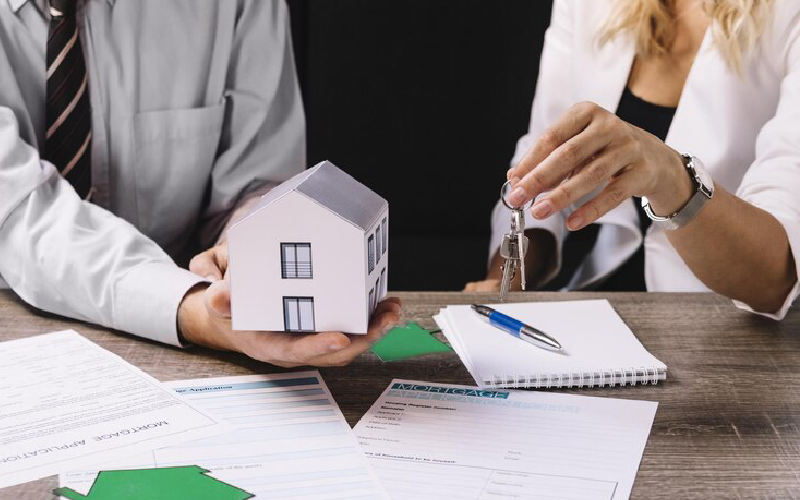

Buying a home is an important investment and one that can be incredibly costly if you don’t have the right credit score. Fortunately, there are ways to save money on a home purchase even if you have poor credit, by using a mortgage for bad credit.
What is a mortgage for bad credit?

A mortgage for bad credit is a loan that you can get if you have a poor credit history. This type of loan is usually offered by banks and other lenders. The main advantage of a mortgage for bad credit is that it’s often cheaper than a traditional loan. The downside is that the loan may not be available in all cases. You must meet certain qualifications, including having a good income and no outstanding debts.
Here are some things to keep in mind when considering a mortgage for bad credit:
- You should always consult with a qualified lending institution to see if you qualify for a loan. They will be able to evaluate your current financial situation and determine if you are likely to be able to repay the loan.
- Make sure you understand the terms and conditions of the loan before signing anything. Many mortgages for bad credit have high-interest rates and require stringent repayment schedules. If you cannot afford the monthly payments, do not sign the contract!
- Be prepared to provide documentation verifying your income and debt status. This includes tax returns, recent bank statements, and letters from your creditors outlining any existing loans or debts.
- Remember that a mortgage for bad credit is not an insurance policy against default. If
How does a mortgage for bad credit work?
Mortgage lenders look at a number of factors when approving a loan, including your current credit score and debt-to-income ratios. If you have bad credit, it may be harder to get approved for a loan, but there are steps you can take to improve your chances.
Here are a few tips to get you started:
- Get a copy of your credit report from each of the three major credit bureaus (Equifax, Experian, and TransUnion). Review each report carefully and identify any issues that may impact your ability to get a mortgage. Contact each bureau if you find any errors or areas where you think your credit deserves more attention.
- Make a plan to improve your credit score. This involves taking action to improve your financial habits and building a good credit history. There are many ways to improve your score, including paying your bills on time, using only approved lenders and credit cards, and keeping an updated credit file.
- Check with your bank or lending institution about special requirements for borrowers with bad credit. Some banks may require a higher down payment or increased loan terms in order to approve you for a mortgage.
The types of mortgages for bad credit
Mortgage options for borrowers with bad credit can vary depending on the applicant's history, income, and other factors. In general, there are three types of mortgages available to borrowers with bad credit: traditional, adjustable-rate, and hybrid.
Traditional mortgages are insured by the Federal Housing Administration (FHA) or a similar agency. These loans typically require a down payment of 3% to 5%. The interest rate on these loans is usually higher than on other types of mortgages, but the terms are often more flexible than those for conventional loans. For example, you can often get a longer term (30 years or more) and a lower interest rate if you put down less money.
Adjustable-rate mortgages (ARMs) are similar to traditional mortgages in that they are insured by the FHA or a similar agency. The difference is that the interest rate on an ARM is variable, based on a predetermined index. This type of loan can be riskier because the interest rate may go up when the index goes up and may go down when the index goes down. If you're not able to pay your mortgage when it comes due, your lender may decide to convert your ARM into a traditional mortgage at a higher interest rate.
Hybrid mortgages are a combination of traditional and ARM loans. The interest rate on a hybrid loan is usually lower than on either type of loan alone, but the terms are more flexible than those for either type of loan. For example, you can often get a shorter term (around 10 years) and a lower interest rate if you put down less money.
All three types of mortgages require good credit history and adequate down payment. In addition, you must be able to meet the lender's lending requirements, which may include meeting income and borrowing limits, having a sufficient credit score, and having a good credit history.
What are the benefits of a mortgage for bad credit?
Mortgage providers understand that not everyone has the best credit. In fact, many people have bad credit because of a history of financial mistakes. So, if you have bad credit, don't worry! There are still ways to get a mortgage, and with a little effort on your part, you can get one that is tailored to your specific needs. Here are some of the benefits of getting a mortgage for bad credit:
- A mortgage for bad credit can be a great way to save money. Many lenders offer lower interest rates and other special deals for borrowers with poor credit. In addition, some lenders may be willing to work with you to get a loan that meets your specific needs.
- A mortgage for bad credit can help you get your own home. With a good down payment and good credit, you can often qualify for a home loan even if your credit is poor. This can save you money on the price of the home and reduce the amount of time needed to find and afford it.
- A mortgage for bad credit can help you become more responsible with your finances. A good mortgage will help you learn how to budget and manage your money better. This knowledge will help you avoid future financial problems and build a better financial future.
When should you apply for a mortgage for bad credit?
There are a few key things to keep in mind when applying for a mortgage for bad credit. First, make sure you have a good credit score. A good score will help you get approved for a mortgage quickly and at a lower interest rate. Second, be sure to have enough qualifying income. Third, be prepared to provide documentation of your income and assets. Fourth, be prepared to pay closing costs. Fifth, be prepared to make a down payment. Sixth, be prepared to wait several weeks or months for the approval process.
Mortgage companies typically require a good credit score and sufficient income to cover the monthly payments on the loan. However, they may also require documentation of your income and assets in order to qualify for the loan. Closing costs can add up quickly, so it is important to factor them into your budget. Most importantly, remember that the approval process can take several weeks or months, so plan ahead!
How much can you save by getting a mortgage for bad credit?
Mortgage rates for those with bad credit have come down significantly in the past few years, and there are a number of ways to get a mortgage even if your credit is less than perfect. In most cases, you can expect to save at least money on your purchase price, and in some cases, you can save quite a bit more.
If you qualify for a fixed-rate mortgage, you can lock in a rate for the life of the loan. This can be helpful if you're planning to stay in your home for a while or if you believe that interest rates will go up in the future. Conversely, adjustable-rate mortgages (ARMs) can offer more flexibility over the life of the loan, but they often have higher initial rates and can increase over time.
Regardless of what type of mortgage you apply for, be sure to consult with a qualified lender who can help you understand your options and make an informed decision.
Conclusion
If you are interested in buying a home but have bad credit, don’t despair. There are still ways to get a mortgage and save money on your purchase. One option is to use a mortgage broker. A mortgage broker will be able to help you obtain the best possible rate and take into account your unique circumstances. Another option is to use an online lender. Online lenders offer competitive rates and the ability to work with borrowers who have bad or no credit history. Once you determine which route is best for you, get started by consulting with a mortgage advisor today!