
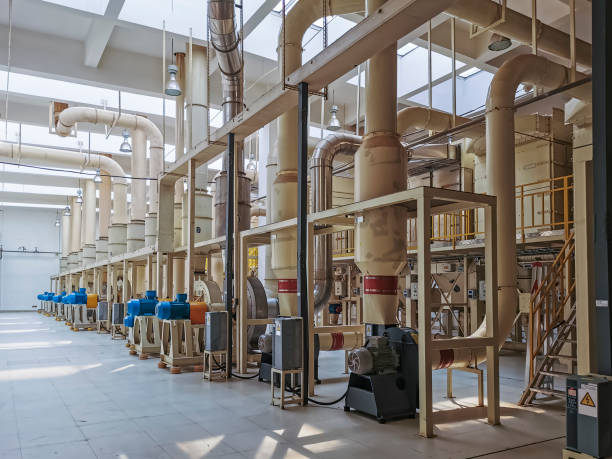
The water turbine market is anticipated to grow at a CAGR of 7.6% through 2022, according to a report by MarketsandMarkets. In this report, the water turbine manufacturers market is segmented into small, medium, and large manufacturers. It also includes companies that manufacture only turbine engines or those that make both turbine engines and pumps. The following are the factors driving the growth of the water turbines manufacturers market:
Increasing demand for renewable energy: The growth in the number of people who are looking to reduce their environmental impact is one of the key factors driving the growth of the water turbines manufacturers market. Increasing government regulations related to renewable energy generation are also contributing to the market growth.
Rapid technological advancements: Technological advancements in fields such as robotics and artificial intelligence are helping to drive market growth. These advancements are making it easier for manufacturers to design and produce products quickly. This is resulting in increased competition among players in the market and greater innovation.
The Turbine's History
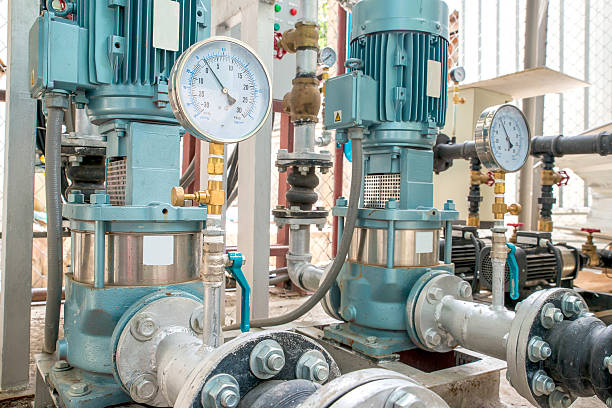
The turbines that power water mills and hydroelectric power plants originated in the 18th century when engineers designed paddlewheels to turn blades on a water mill. The first turbines were built on the River Thames in England. Today, turbines used in water mills and hydroelectric power plants are built with many different design features and sizes.
The Turbine's History: The turbines that power water mills and hydroelectric power plants originated in the 18th century when engineers designed paddlewheels to turn blades on a water mill. The first turbines were built on the River Thames in England. Today, turbines used in water mills and hydroelectric power plants are built with many different design features and sizes.
Turbines used for electricity production come in a variety of sizes and designs to meet the specific needs of different types of applications. Some common types of turbines include:
- General Electric: GE is one of the leading turbine manufacturers in the world. They produce both stationary (non-powered) and rotating (powered) turbines.
- Siemens: Siemens produces both stationary (non-powered) and rotating (powered) turbines.
- Schneider Electric: Schneider Electric produces both stationary (non-powered) and rotating (powered) turbines.
- Toshiba: Toshiba produces both stationary (non-powered) and rotating (powered) turbines.
- Brooks: Brooks produces both stationary (non-powered) and rotating (powered) turbines.
Types of Turbines
The water turbine market is growing rapidly in North America. Manufacturers are investing in new technology to improve efficiency and reduce costs. Here are four types of turbines that are popular in the market:
- Kaplan turbine: Kaplan turbines are the most efficient type of turbine on the market. They can generate up to 104 horsepower.
- Turnkey turbine: A turnkey turbine is a pre-engineered system that includes a manufacturer's engine, generator, and controls. This type of turbine is popular among larger projects.
- Custom turbine: A custom turbine can be designed specifically for a customer's needs. This type of turbine is more expensive but offers greater flexibility.
- Hybrid turbine: A hybrid turbine combines features from different types of turbines into one system. This type of turbine is more affordable than a custom turbine but may not offer the same level of performance
The Manufacturing Process
The manufacturing process for water turbines is complex and requires a lot of expertise. The turbines must be able to withstand extreme weather conditions, and they must be able to operate at high speeds. Manufacturers need to make sure that their turbines are reliable and efficient.
Water turbines are becoming increasingly popular in North America. Manufacturers are investing in new technology, and they are creating more efficient turbines that can produce more energy. They are also creating turbines that are easier to operate. This is good news for consumers, as it means that they will be able to get more value out of their energy bills.
How the Turbines are Marketed
The turbine market is growing in North America as more and more companies are beginning to see the benefits of utilizing this type of energy generation. Turbines are becoming increasingly popular due to their many benefits, including low emissions, high efficiency, and the ability to produce clean energy.
One of the main reasons that turbines are so popular is because they offer a variety of different benefits that other forms of energy generation cannot match. For example, turbines can produce high levels of efficiency, meaning that they use less energy to generate the same amount of power. This makes them a great option for companies looking to reduce their carbon footprint. Additionally, turbines are also very environmentally friendly, meaning that they don’t release harmful pollutants into the atmosphere.
Another reason why the turbine market is growing in North America is because of the increasing demand for clean energy. In recent years, governments have started to focus on renewable sources of energy such as wind and solar. As a result, companies looking to reduce their carbon footprint have turned to turbines as their primary option for generating power.
Overall, the turbine market is growing incredibly quickly in North America and there are plenty of companies rushing to get involved. This means that there is a lot of competition for the limited supply of turbines, which is driving prices down even further. If you are looking to invest in a turbine, it is important to do your research and make sure that the model that you choose is right for your needs.
Why the Turbines are Popular
The popularity of water turbines is due to the many benefits they offer. Water turbines are used to generate electricity, and they are becoming more popular because they have many advantages over other types of generators. Some of the benefits of using water turbines include:
- They are efficient: Water turbines are among the most efficient generators available, and they produce a high level of energy output.
- They are reliable: Water turbines are very reliable, and they rarely experience problems. This means that they can produce power consistently and without interruption.
- They are affordable: Water turbines are relatively affordable when compared to other types of generators, and this makes them a good option for businesses and homeowners.
- They are environmentally friendly: Water turbines produce little environmental pollution, which makes them a good choice for businesses that want to improve their environmental reputation.
Conclusion
Water turbine manufacturers are always on the lookout for new and innovative ways to market their products. With a rapidly growing population, more people are looking to have access to clean water. This has led to an increase in the demand for water turbines, which in turn is leading to an increase in the marketing efforts of water turbine manufacturers.
There are a few different ways that water turbine manufacturers market their products. Some focus on developing new technologies that make water turbines more efficient and reduce environmental impact. Others focus on developing new markets, such as Africa and China, where there is a significant need for clean water supplies. And still, others focus on increasing customer satisfaction by providing top-notch customer service.