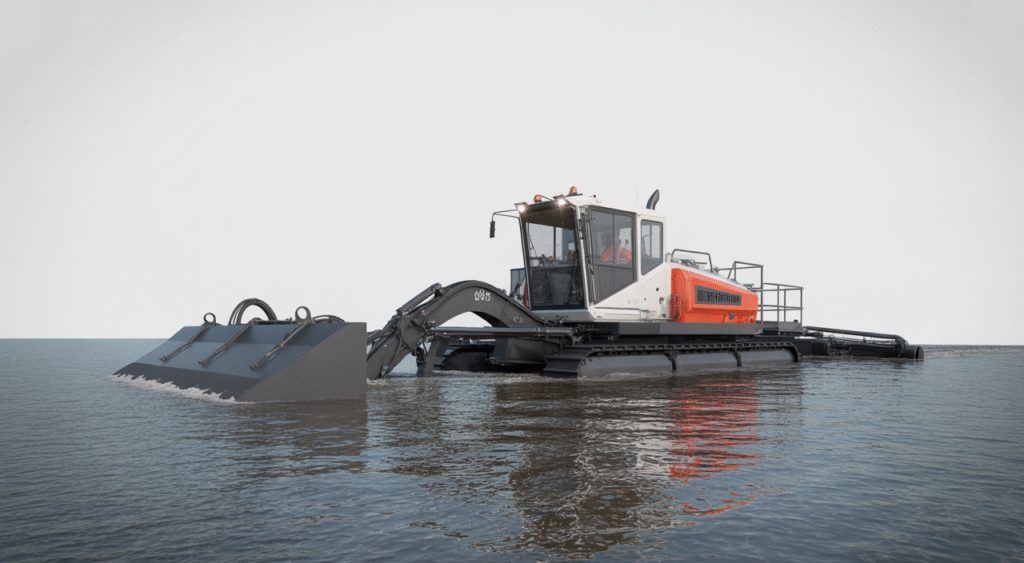
Dredging is essential for maintaining waterways, but traditional methods can be inefficient and costly. What if there was a better way? Self-Propelled Dredge offer a versatile and efficient solution for various dredging projects.
Imagine a machine that can navigate tight spaces, minimize environmental impact, and reduce operational costs. This guide explores the world of self-propelled dredges and how they’re revolutionizing waterway management.
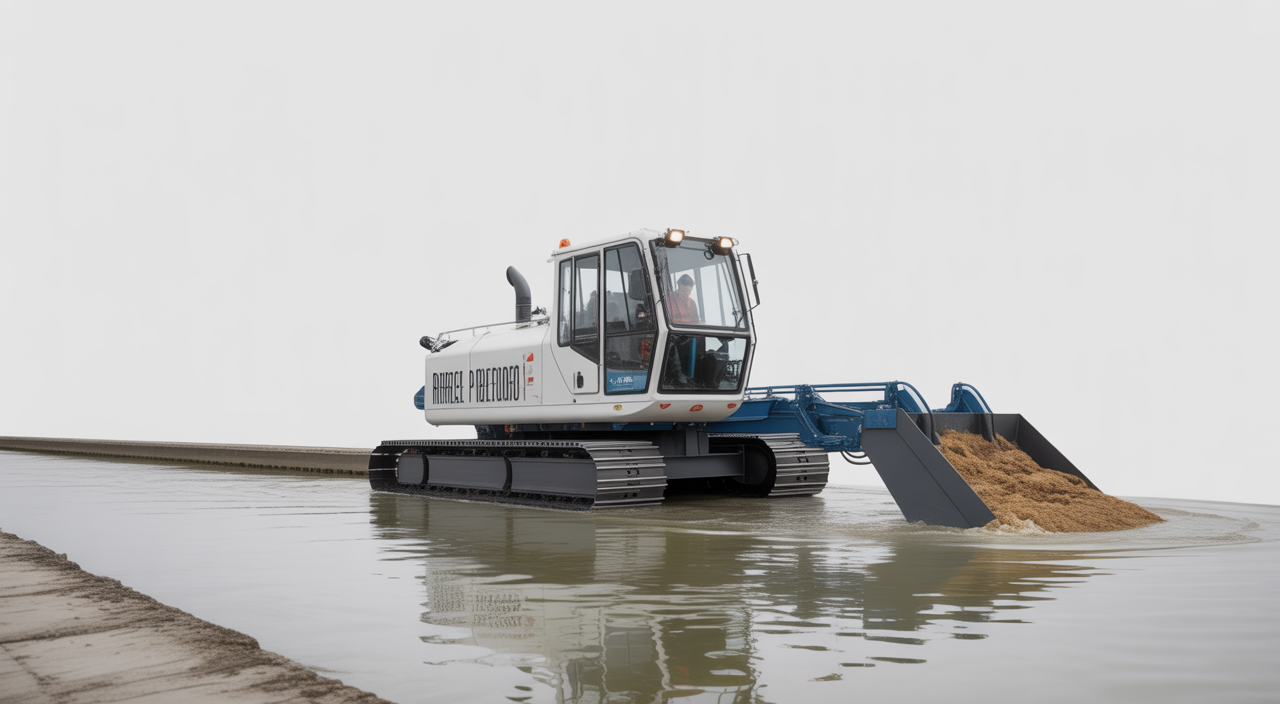
What is a Self-Propelled Dredge?
A self-propelled dredge is a specialized piece of equipment designed to remove sediment and debris from bodies of water. Unlike traditional dredges that require external propulsion, these dredges have their own onboard power and navigation systems. This allows them to move independently and efficiently.
These dredges use a variety of methods for removing material, including hydraulic suction, mechanical excavation, or a combination of both. The removed material can then be transported to a designated disposal site or used for beneficial purposes like land reclamation.
Benefits of Using a Self-Propelled Dredge
- Increased Mobility: Maneuver in tight spaces and shallow waters with ease.
- Reduced Setup Time: Get to work faster without the need for extensive support equipment.
- Enhanced Efficiency: Complete projects quicker with precise control and automated systems.
- Lower Environmental Impact: Minimize disruption to aquatic ecosystems with targeted dredging.
Applications of a Self-Propelled Dredge
Self-propelled dredges are incredibly versatile. They can be used in a wide range of applications. From restoring lakes and ponds to maintaining marinas and harbors, these machines offer an efficient solution.
Consider canal dredging and widening. These dredges can navigate narrow waterways with precision. This makes them ideal for maintaining navigable channels. They are also useful in environmental remediation projects where sediment removal is crucial.
Self-Propelled Dredge vs. Other Dredge Types
When choosing a dredge, it’s important to understand the differences between the various types available. Cutter suction dredges and hopper dredges are two common alternatives.
Cutter suction dredges are effective for large-scale projects. Hopper dredges are ideal for deep-water applications. However, self-propelled dredges often offer superior mobility and efficiency in smaller, more confined spaces. Learn about the benefits of turbine technology, often used in these advanced machines.
Cost Analysis: Is it a Smart Investment?
Investing in a dredge is a big decision. While the initial purchase price might seem high, consider the long-term benefits. Factors like reduced setup time, lower operating costs, and increased efficiency can significantly impact your bottom line.
When comparing costs, consider the total cost of ownership. This includes purchase price, maintenance, fuel consumption, and labor expenses. A well-maintained dredging equipment can provide years of reliable service, making it a worthwhile investment.
Environmental Considerations
Dredging can have a significant environmental impact if not done responsibly. Self-propelled dredges can help minimize this impact. They allow for more precise and targeted dredging. This reduces disturbance to surrounding aquatic life.
It’s essential to comply with all relevant environmental regulations and obtain the necessary permits before starting any dredging project. Working with experienced professionals can ensure that your project is environmentally sound.
FAQs About Self-Propelled Dredge
- What maintenance is required for a self-propelled dredge? Regular maintenance includes checking and replacing fluids, inspecting mechanical components, and ensuring proper lubrication.
- How do I choose the right dredge for my project? Consider the size and depth of the waterway, the type of material to be removed, and any environmental restrictions.

Hi, I am Colette Smith was brought into the world in Claremont, CA Studied at Pomona College. Fiery to bestow my knowledge to charmed people. I have extensive stretches of inclusion with the field of Business, Health and Information Technology. Beside that, I love to contribute energy with my family.