Furniture edge banding tape is an essential component in furniture construction and repair, providing both a functional and aesthetic solution to the raw edges of wood or composite materials. Whether you’re involved in furniture manufacturing, home improvement, or custom woodworking, selecting the right edge banding tape is crucial to ensuring long-lasting durability and an appealing finish. In this guide, we’ll walk you through the important aspects to consider when choosing the best furniture edge banding tape for your project.
What Is Furniture Edge Banding Tape?
Furniture edge banding tape is a thin strip of material used to cover the exposed edges of furniture, shelving, cabinets, and countertops. It serves a dual purpose: protecting the edge from damage and giving the piece a finished, professional look. Typically made from a variety of materials, including PVC, veneer, and acrylic, edge banding tape is available in rolls that can be easily applied with heat or adhesive.
Importance Of Choosing The Right Edge Banding Tape
The right furniture edge banding tape can significantly impact the longevity and aesthetic quality of your furniture. When selected correctly, it enhances the durability of the edges, protecting them from wear and tear, moisture, and scratches. Furthermore, a high-quality edge banding tape can elevate the overall appearance of your project by providing a clean, seamless look that matches or complements the furniture’s design.
Key Factors To Consider When Choosing Furniture Edge Banding Tape
1. Material Type
The material you choose for your edge banding tape will directly affect its durability, application process, and appearance. Here are some common materials used for edge banding tape:
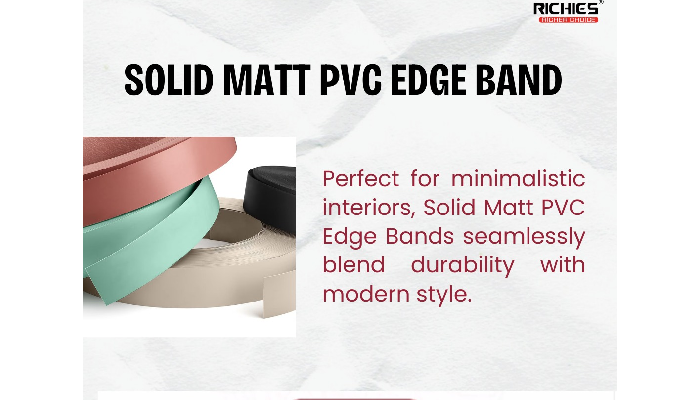
- PVC (Polyvinyl Chloride): PVC edge banding tape is a popular choice due to its durability, flexibility, and ease of application. It is resistant to moisture, heat, and chemicals, making it ideal for both residential and commercial applications. PVC tapes are available in various finishes, including gloss, matte, and textured, allowing you to match the tape with the surrounding materials.
- Wood Veneer: For a more natural, high-end appearance, wood veneer edge banding tape is a great option. It is made from real wood and provides an authentic look. Veneer edge banding is often used in furniture and cabinetry where wood grain patterns are an important feature. However, veneer requires careful handling and may not be as durable as PVC in high-traffic environments.
- Acrylic: Acrylic edge banding is a modern choice, known for its strength and scratch resistance. It provides a smooth, glossy finish and is available in a range of colors and textures. Acrylic tapes are often used for projects that require high-end, sleek designs.
- ABS (Acrylonitrile Butadiene Styrene): ABS edge banding tapes are another durable and flexible option. Known for their resistance to impact, heat, and chemicals, ABS tapes are highly suitable for use in furniture that undergoes frequent use or exposure to environmental stressors.
2. Thickness And Width
The thickness and width of the edge banding tape are important factors that influence its application and overall performance. A thicker tape may provide additional durability and protection, especially for high-use furniture, while a thinner tape might offer more flexibility and ease of use for intricate projects.
- Thickness: Edge banding tapes typically range in thickness from 0.4mm to 3mm, with thicker tapes providing more protection against wear and tear. However, thicker tapes may require more precise application to ensure a seamless finish.
- Width: The width of the tape should be chosen based on the size of the edge you are covering. A wider tape is better suited for larger edges, while a narrower tape is ideal for smaller, more delicate projects. Be sure to measure the edge before selecting your tape to ensure it provides adequate coverage.
3. Adhesive Type
The adhesive backing of the edge banding tape plays a crucial role in its longevity and ease of application. There are typically two main types of adhesive options:
- Hot Melt Adhesive: This type of adhesive requires a heat source, such as a hot iron or edge banding machine, to activate the bond. Hot melt adhesive provides a strong and durable hold, making it ideal for high-traffic areas and long-lasting finishes. It is commonly used in industrial furniture manufacturing and cabinetry.
- Self-Adhesive: Self-adhesive edge banding tape features an adhesive layer that is activated simply by pressure. This type of tape is more convenient for DIYers and smaller projects, as it eliminates the need for heat tools. However, self-adhesive tapes may not provide the same level of durability as hot melt adhesive, especially in environments with high humidity or wear.
4. Color And Finish
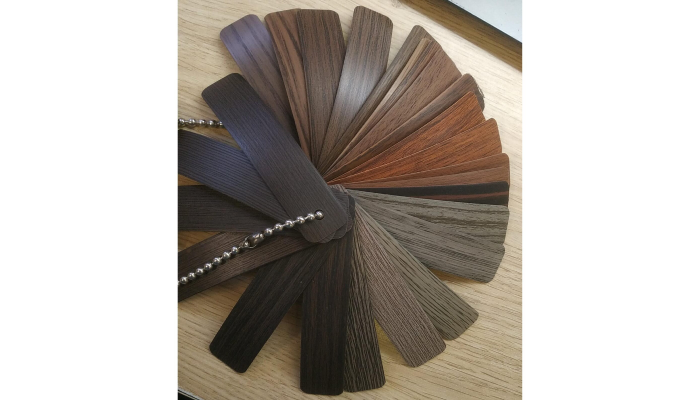
The color and finish of your edge banding tape will affect the overall aesthetic of your furniture. Most edge banding tapes come in a variety of colors and textures to match the surrounding materials. Whether you want a seamless, understated look or a bold contrast, there are plenty of options available.
- Color: Choose a color that complements the material of the furniture or contrasts for a more striking effect. For example, if you are working with natural wood, a wood veneer edge banding tape will blend in seamlessly, while a white PVC tape might be better for modern, minimalist designs.
- Finish: Edge banding tapes come in different finishes, including matte, gloss, textured, and wood-grain effects. Glossy finishes tend to provide a polished, high-end appearance, while matte finishes offer a more subdued, rustic look. Textured finishes can add depth and character to the edge, especially when working with solid wood or laminate materials.
5. Durability And Maintenance
For long-lasting durability, the edge banding tape you choose should be resistant to damage from wear, moisture, heat, and chemicals. Some materials, such as PVC and acrylic, offer superior resistance to these elements, making them ideal for use in kitchens, bathrooms, or commercial spaces.
Additionally, it’s important to consider the ease of maintenance. A smooth, non-porous finish, such as gloss PVC or acrylic, is easier to clean and maintain than a textured or matte finish. Regular cleaning and occasional touch-ups will keep your furniture looking fresh and new for years.
How To Apply Furniture Edge Banding Tape?
The application process for edge banding tape varies depending on the adhesive type and the tools used. For hot melt adhesive tapes, you’ll need a heat source, such as an edge banding machine or a hot iron, to activate the adhesive. Simply heat the tape and apply it to the edge, ensuring a smooth, wrinkle-free finish. For self-adhesive tapes, press the tape onto the edge and trim off any excess for a clean, professional appearance.
Conclusion
Choosing the right furniture edge banding tape is crucial for achieving both durability and aesthetic appeal in your furniture projects. By considering factors such as material type, thickness, adhesive options, color, and finish, you can select the perfect tape that not only protects the edges but also complements the overall design. Whether you’re a professional furniture maker or a DIY enthusiast, investing in high-quality edge banding tape will ensure your furniture lasts longer and looks great for years to come.

Hello there! I’m Erica Harrison, a talented writer based in the bustling city of Austin, United States. With a penchant for business and technology, my writing reflects a deep understanding of diverse subjects. From insightful tech analyses to savvy business strategies, I navigate the intricate realms of knowledge, delivering content that captivates and informs. Join me in exploring the dynamic intersections of business and technology.