
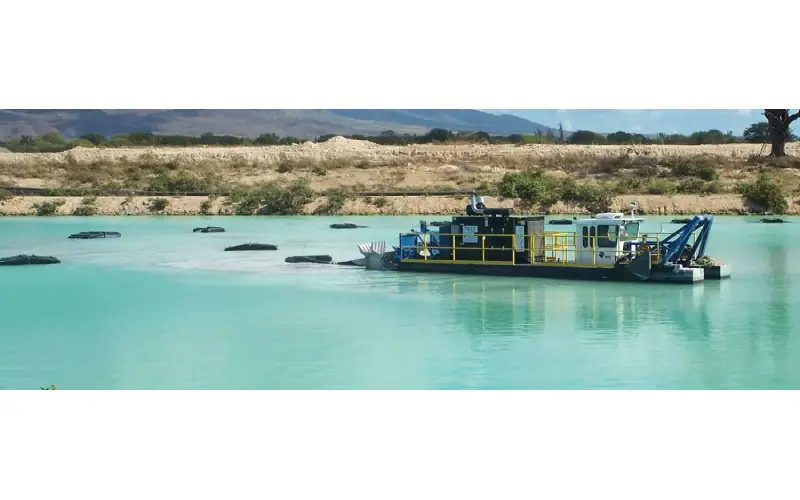
The hydraulic dredge has become an essential tool in modern aquatic ecosystem management. Often employed for various tasks like sediment removal, waterway maintenance, and habitat restoration, hydraulic dredges are indispensable in ensuring the health and stability of aquatic environments. They operate using a powerful pump and a suction pipe, which allows for efficient collection and removal of sediments from the bottom of rivers, lakes, and estuaries. This process can significantly improve water quality, aid in the restoration of lost ecosystems, and support the sustainability of aquatic life. In areas where human activity, industrial discharge, or natural processes have led to the accumulation of debris, organic materials, or toxins, hydraulic dredges offer an effective solution. Through this method, polluted waters can be cleansed, habitats can be rejuvenated, and the balance of aquatic ecosystems can be restored. The role of hydraulic dredges in environmental conservation and improvement goes beyond mere sediment removal, serving as a critical component in promoting long-term ecological health.
Understanding The Role Of Hydraulic Dredge In Ecosystem Restoration
Hydraulic dredging plays a crucial role in restoring degraded aquatic ecosystems, a task that is increasingly important as environmental concerns grow worldwide. Over time, natural water bodies such as lakes, rivers, and estuaries can become clogged with sediments, pollutants, and debris, severely impacting the ecological balance. Hydraulic dredging is an efficient technique used to remove these harmful materials from the waterbed. This process helps in the restoration of waterways by allowing for the removal of contaminated sediment layers, which can otherwise suffocate aquatic life or pollute the water column. In addition to clearing pollutants, hydraulic dredge can help restore the natural flow of water, improving the hydrodynamics of rivers and streams. This results in healthier ecosystems by reintroducing oxygen to the bottom layers of the water, allowing for the flourishing of aquatic organisms that rely on clean and oxygenated environments. As a result, hydraulic dredging is a vital component of efforts aimed at restoring aquatic ecosystems impacted by urbanization, agriculture, and industrial activities. Whether used to clear the silt around submerged vegetation, remove invasive species, or create better conditions for native wildlife, hydraulic dredging serves as a long-term solution for ecological restoration.
How Hydraulic Dredge Enhances Water Quality And Clarity?
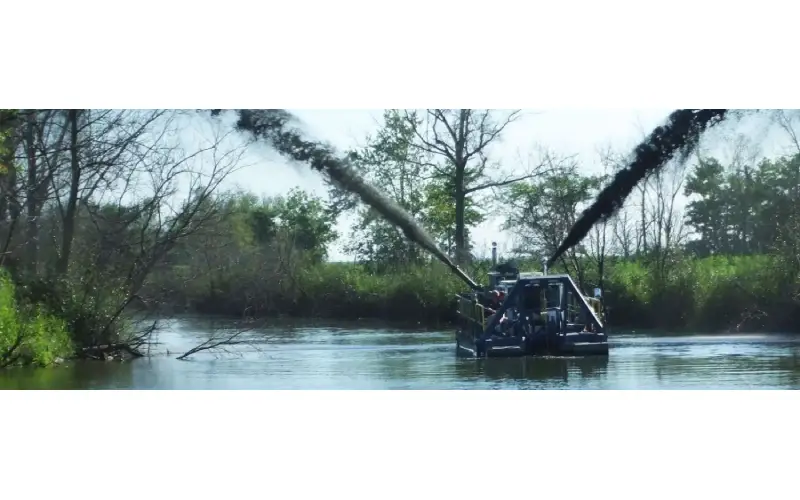
Water quality is a fundamental aspect of a healthy aquatic ecosystem, and hydraulic dredging is a powerful method for improving it. By removing excess sediment, organic matter, and pollutants from the bottom of water bodies, hydraulic dredges contribute to clearer, cleaner water. Sediment buildup in waterbodies often leads to reduced water clarity, making it harder for sunlight to penetrate. This affects the growth of underwater vegetation, which plays a critical role in maintaining oxygen levels and providing food and shelter for aquatic life. Hydraulic dredging helps by removing the accumulated sediment, allowing light to reach greater depths and encouraging the regeneration of submerged plants. Additionally, removing pollutants such as heavy metals, nutrients, and toxins trapped in sediments prevents them from being resuspended into the water column, where they can cause further damage to the ecosystem. The removal of harmful materials also helps reduce nutrient loading, which can otherwise lead to eutrophication—a process where excess nutrients cause excessive algal blooms and oxygen depletion. Therefore, hydraulic dredging is essential in enhancing water quality and clarity, providing a better environment for aquatic species to thrive. This improved water quality can also have significant benefits for human activities such as fishing, recreation, and water supply.
The Impact Of Hydraulic Dredge On Sediment Removal And Habitat Health
Sediment removal is one of the most direct ways in which hydraulic dredging positively impacts aquatic ecosystems. Sediments, when excessively accumulated, can alter the physical structure of water bodies, covering up essential habitats for fish and other wildlife. In areas where sediments become too thick, they can smother aquatic plants and restrict the movement of fish and other organisms. Hydraulic dredges, which use a suction system to remove these excess sediments, are particularly effective in restoring healthy sediment levels. By eliminating or redistributing sediments, hydraulic dredging restores the natural contours of the waterbed and promotes the return of diverse habitats for aquatic organisms. For instance, dredging can clear pathways for fish migration, reestablish deep pools for fish to shelter in, and remove dead organic material that might otherwise degrade the ecosystem. In estuaries, the dredging process can also help restore natural tidal movements, ensuring that salt and freshwater levels remain balanced, thus supporting diverse species of aquatic life. Furthermore, this sediment removal process can improve habitat health by reducing the build-up of harmful substances, which can otherwise create anoxic conditions detrimental to aquatic organisms. Therefore, hydraulic dredging is a significant tool in maintaining and enhancing aquatic habitat health.
Hydraulic Dredge’s Contribution To Maintaining Aquatic Biodiversity
Aquatic biodiversity is vital for the stability and resilience of water ecosystems. Hydraulic dredging helps maintain and promote biodiversity by removing pollutants and creating more favorable conditions for a wide range of species. Over time, water bodies that experience sediment accumulation or contamination can see a decline in species diversity. For example, certain species may find their habitats destroyed, or they may struggle to survive in water that is too polluted or devoid of oxygen. Hydraulic dredging aids by improving the conditions in which aquatic life can thrive. By removing harmful substances such as chemicals, debris, and invasive species, dredging allows native plants and animals to return to their natural habitats. Additionally, dredging can help restore the natural balance in ecosystems, allowing species that had been displaced due to altered environments to return and reestablish their populations. In estuaries, for instance, dredging can help maintain the balance between freshwater and saltwater, which is crucial for the survival of many fish species. Overall, the use of hydraulic dredging as a tool for promoting biodiversity is significant, as it contributes to the recovery of habitats, restoration of natural conditions, and long-term health of aquatic ecosystems.
Reducing Pollution With The Use Of Hydraulic Dredge In Waterways
Pollution in water systems, often in the form of heavy metals, organic materials, and chemical contaminants, can have disastrous effects on aquatic ecosystems. Hydraulic dredging plays a pivotal role in reducing pollution levels within these waterways. By removing contaminated sediments, hydraulic dredges help prevent harmful substances from being reintroduced into the water column, where they can spread and affect larger areas. Many pollutants, such as petroleum products, pesticides, and metals, tend to bind with particles in the sediment. When left undisturbed, these pollutants can continue to leach into the surrounding environment, causing long-term damage to the ecosystem. Dredging removes this contaminated material from the system, significantly reducing the overall pollution burden. Additionally, the process of dredging can be accompanied by environmental monitoring to ensure that the material being removed is handled and disposed of safely, minimizing any additional harm to the environment. In areas that are subject to industrial runoff or agricultural runoff, hydraulic dredging can be instrumental in mitigating the effects of pollution and restoring water quality. In this way, hydraulic dredging helps in the battle against aquatic pollution, offering an effective solution for ecosystem preservation.
The Environmental Benefits Of Hydraulic Dredge For Aquatic Plants And Wildlife
Hydraulic dredging offers significant environmental benefits, particularly for aquatic plants and wildlife. Many aquatic plants are sensitive to changes in sedimentation and water quality. For example, excessive sediment buildup can reduce light penetration, affecting the photosynthesis process of submerged plants. These plants are essential for oxygen production, which supports fish and other aquatic creatures. By removing the excess sediment, hydraulic dredging enables light to penetrate deeper into the water, helping to restore plant life and maintain oxygen levels. Furthermore, the removal of sediment helps create better habitat conditions for fish and other aquatic species by restoring the natural bottom structure of water bodies. This enables the regrowth of essential underwater vegetation, which serves as a habitat and food source for many organisms. Hydraulic dredging also plays a role in controlling the spread of invasive species that may threaten native flora and fauna. By removing layers of sediment that may harbor invasive species’ eggs or larvae, dredging helps prevent their spread and allows native species to recover. In this way, hydraulic dredging has a direct and positive impact on both plant and animal life within aquatic ecosystems.
Hydraulic Dredge Promotes Sustainable Water Management Practices
Hydraulic dredging is an essential tool in promoting sustainable water management practices. By maintaining the natural flow of water, removing harmful sediments, and ensuring clean, clear water, hydraulic dredging contributes to the long-term health of water bodies. One of the key elements of sustainable water management is preventing the degradation of aquatic environments, and hydraulic dredging helps achieve this by actively improving water quality and habitat conditions. Moreover, the use of hydraulic dredges enables the restoration of waterways impacted by human activities such as urbanization, agriculture, and industry. This restorative process helps ensure that water resources remain available for human use, including for drinking, agriculture, and recreation, without compromising the health of the ecosystem. By integrating hydraulic dredging into broader environmental management strategies, communities can create more resilient ecosystems that can adapt to challenges such as pollution, climate change, and overuse. Sustainable water management practices that include hydraulic dredging thus play a crucial role in balancing ecological preservation with human needs, contributing to healthier, more sustainable aquatic environments for generations to come.
Conclusion
In conclusion, hydraulic dredging serves as an indispensable tool in maintaining and improving aquatic ecosystems. From enhancing water quality and clarity to promoting biodiversity and reducing pollution, hydraulic dredging addresses a wide range of environmental challenges that affect aquatic environments. Through the removal of excess sediments, harmful pollutants, and invasive species, hydraulic dredges help restore balance and health to water bodies, providing a cleaner, safer habitat for aquatic plants, animals, and humans alike. Additionally, by playing a central role in sustainable water management practices, hydraulic dredging supports the long-term health and resilience of aquatic ecosystems, ensuring that these vital resources remain available for future generations.

Hello there! I’m Erica Harrison, a talented writer based in the bustling city of Austin, United States. With a penchant for business and technology, my writing reflects a deep understanding of diverse subjects. From insightful tech analyses to savvy business strategies, I navigate the intricate realms of knowledge, delivering content that captivates and informs. Join me in exploring the dynamic intersections of business and technology.