
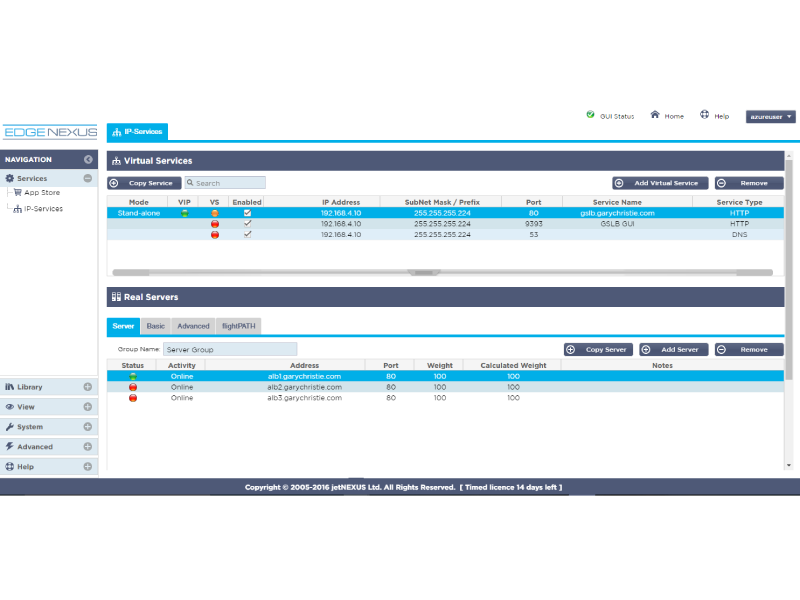
In today’s interconnected digital landscape, where businesses operate on a global scale and users expect seamless online experiences, the role of a global server load balancer becomes paramount. A global server load balancer acts as a traffic cop, efficiently distributing internet traffic across multiple servers and data centers located worldwide. By intelligently directing incoming requests to the most appropriate server based on factors like proximity, server load, and network health, a global server load balancer ensures optimal performance and reliability for users accessing services and applications hosted on these servers. Essentially, it serves as the linchpin in optimizing network infrastructure for the modern digital age, allowing organizations to meet the demands of an ever-expanding online audience.
Balance Internet Traffic Worldwide With A Global Server Load Balancer
One of the primary functions of a global server load balancer is to evenly distribute internet traffic across multiple servers located in different geographical regions. By intelligently balancing the load, it prevents any single server from becoming overwhelmed with requests, thus avoiding downtime and ensuring consistent performance for users accessing services from various parts of the world. This distributed approach not only enhances the user experience by reducing latency but also enhances the overall reliability and resilience of the network infrastructure. Whether users are accessing a website, streaming content, or utilizing cloud-based applications, a global server load balancer plays a crucial role in ensuring that internet traffic is efficiently routed to the most optimal server location.

Optimize Network Speed With A Global Server Load Balancer
In addition to balancing internet traffic, a global server load balancer also plays a key role in optimizing network speed. By directing users to servers that are closest to their geographical location, it minimizes the distance that data packets need to travel, thereby reducing latency and improving response times. This geographical proximity-based routing ensures that users experience faster load times and smoother interactions with online services and applications. Furthermore, a global server load balancer continuously monitors the performance of servers in real-time and dynamically adjusts traffic distribution to route requests to the fastest and most responsive servers available. This proactive approach to optimizing network speed helps organizations deliver a superior online experience to their users, regardless of their location.
Make Networks Faster With A Global Server Load Balancer
A global server load balancer acts as a catalyst in making networks faster and more efficient. By intelligently distributing internet traffic across multiple servers and data centers, it alleviates congestion and bottlenecks that can occur when a single server is overwhelmed with requests. This ensures that each user receives a prompt response and does not experience delays or timeouts when accessing online services. Moreover, by leveraging advanced algorithms and traffic management techniques, a global server load balancer can prioritize critical traffic, such as transactions or real-time communications, to ensure that they are processed with minimal delay. This ability to streamline network traffic and prioritize important requests contributes to overall network efficiency and helps organizations meet the performance demands of today’s digital landscape.
Ensure Smooth Internet With A Global Server Load Balancer
Smooth and uninterrupted internet connectivity is essential for businesses to thrive in today’s digital economy, and a global server load balancer plays a vital role in ensuring just that. By intelligently distributing internet traffic and dynamically adapting to changing network conditions, it helps mitigate the risk of downtime and service disruptions. Even in the event of server failures or network outages, a global server load balancer can automatically reroute traffic to alternative servers or data centers, ensuring continuous availability and uninterrupted access to online services. This proactive approach to fault tolerance and disaster recovery helps organizations maintain business continuity and uphold service level agreements, thereby safeguarding their reputation and customer trust.
Global Server Load Balancer Improves Online Performance
The deployment of a global server load balancer leads to significant improvements in online performance across various metrics. By distributing internet traffic efficiently and optimizing network speed, it reduces latency, improves response times, and enhances overall user experience. This translates into higher customer satisfaction, increased engagement, and ultimately, better business outcomes for organizations. Furthermore, by balancing the load across multiple servers and data centers, a global server load balancer improves server utilization and resource allocation, maximizing the efficiency of network infrastructure and reducing operational costs. Overall, the implementation of a global server load balancer is a strategic investment that yields tangible benefits in terms of online performance and operational efficiency.
Even Out Internet Speed With A Global Server Load Balancer
In a globally distributed network environment, ensuring consistent internet speed across different geographical regions can be challenging. However, with the deployment of a global server load balancer, organizations can effectively even out internet speed and provide a uniform user experience worldwide. By intelligently routing traffic to the nearest and most optimal server location, it minimizes latency and ensures that users from diverse locations have access to services and applications with similar performance levels. This equitable distribution of internet speed not only enhances user satisfaction but also fosters inclusivity and accessibility, enabling organizations to reach a broader audience and expand their global footprint.
Conclusion
A global server load balancer is a foundational component of modern network infrastructure, playing a crucial role in optimizing performance, reliability, and scalability. By distributing internet traffic efficiently, optimizing network speed, and ensuring fault tolerance, it empowers organizations to deliver seamless online experiences to users worldwide. Whether it’s balancing internet traffic, improving network speed, or enhancing overall performance, a global server load balancer is indispensable in meeting the demands of today’s interconnected digital landscape. As organizations continue to expand their online presence and cater to a global audience, investing in a robust global server load balancer solution is essential to staying competitive and delivering exceptional user experiences.

Hello there! I’m Erica Harrison, a talented writer based in the bustling city of Austin, United States. With a penchant for business and technology, my writing reflects a deep understanding of diverse subjects. From insightful tech analyses to savvy business strategies, I navigate the intricate realms of knowledge, delivering content that captivates and informs. Join me in exploring the dynamic intersections of business and technology.