
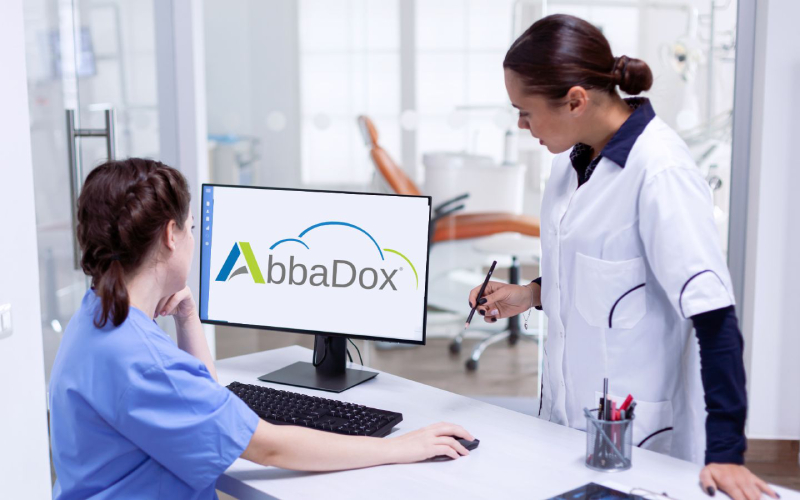
Referring physician portals are increasingly being used to enhance patient care. These portals are designed to streamline communication between the referring physician and the specialist they are referring a patient to, allowing the referring physician to easily see the patient’s progress and treatments. Referring physician portals also provide an efficient way for the specialist to communicate updates to the referring physician. This allows for better collaboration between referring physicians and specialists, ultimately leading to improved patient care. Referring physician portals also provide an easy way for referring physicians to access patient records, treatment plans, and other important medical information.
By providing easy access to this information, referring physicians can make better informed decisions about their patient’s care, helping to ensure that the patient receives the best possible care. Ultimately, referring physician portals are a valuable tool for improving patient care and providing a more streamlined experience for both referring physicians and patients.
What Is Referring Physician Portals?
A referring physician portal is an online platform used by physicians, healthcare providers, and other medical professionals to share patient information, establish referrals, and coordinate care. It allows medical professionals to access and share medical records, such as lab results, medical histories, and imaging reports. It also provides a secure platform for communication between providers and makes it easier to track referrals and coordinate care. Referring physician portals can also be used to share educational information and provide resources for providers.

How Can Referring Physician Portals Benefit Your Practice?
Referring to physician portals can help streamline communication between healthcare providers and reduce the time spent on coordination and paperwork. By having a platform for easy communication, providers can quickly exchange patient information and stay up-to-date on the care of their patients. This can help reduce errors and provide better care for patients. Additionally, referring physician portals can improve patient satisfaction by reducing wait times and increasing convenience.
Tips For Optimizing Your Referring Physician Portal
When setting up and optimizing your referring physician portal, there are a few key things to keep in mind. It’s important to ensure that the portal is easy to use and navigate. This means providing clear instructions and making sure all features are clearly labeled. It’s also important to ensure that the portal is secure and that all patient data is protected. Additionally, it’s important to provide educational resources and make sure that the portal is regularly updated.
Types Of Referring Physician Portals
- Web-based portals: These portals are hosted on the web and allow users to access the portal from any device with an internet connection.
- Mobile apps: These referrer portals are specifically designed for mobile devices and can be used to access the portal from anywhere.
- Desktop applications: These referrer portals are installed on a computer and can be accessed from any computer with the application installed.
- Cloud-based portals: These referrer portals are hosted in the cloud, allowing for easy access and collaboration.
Creating A Referring Physician Portal
Creating a referring physician portal can be a complex process. It’s important to start by understanding your practice’s needs and goals. This will help you determine what features you need and what type of portal best suits your needs. Additionally, you’ll need to consider the type of technology needed to set up the portal, such as web-based, mobile, or cloud-based. Once you’ve determined the type of portal needed, you’ll need to create the platform and configure the features. Finally, you’ll need to ensure that the portal is secure, easy to use, and regularly updated.
Strategies For Improving Referral Relationships
Referring physician portals can be a great way to improve referral relationships between healthcare providers. It’s important to make sure that the portal is easy to use and navigate. Additionally, it’s important to provide educational resources and keep the portal up-to-date. Additionally, it’s important to provide secure communication methods, such as secure messaging or video conferencing, to ensure that patient information is protected. Finally, it’s important to be transparent and honest in all communication and to ensure that both parties are comfortable with the referral process.
Best Practices For Referring Physician Portals
When setting up a referring physician portal, it’s important to follow best practices. It’s important to make sure that the portal is easy to use and navigate. Additionally, it’s important to ensure that the portal is secure and that all patient data is protected. It’s important to provide educational resources and make sure that the portal is regularly updated. Additionally, it’s important to provide secure communication methods, such as secure messaging or video conferencing, to ensure that patient information is protected. Finally, it’s important to be transparent and honest in all communication and to ensure. That both parties are comfortable with the referral process.
Maximizing Your Referring Physician Portal’s Potential
A referring physician portal can be a great way to streamline communication between healthcare providers and improve patient care. However, it’s important to ensure that the portal is optimized and that all features are used to their fullest potential. This means providing clear instructions, making sure the portal is secure, and providing educational resources. Additionally, it’s important to provide secure communication methods and ensure that both parties are comfortable with the referral process. Finally, it’s important to be transparent and honest in all communication and to ensure that the portal is regularly updated.
Conclusion
Referring to Physician Portals (RPPs) is a great way to improve patient care. RPPs provide referring physicians with easy access to patient information, secure messaging, and the ability to review test results in real time. This improved communication and collaboration between healthcare professionals help ensure that the patient receives the best possible care. RPPs also provide referring physicians with the ability to monitor the progress of referrals and quickly respond to any changes or requests. RPPs significantly reduce the amount of paperwork and phone calls needed to communicate with other physicians. As a result, referring physicians can focus their time on providing quality patient care instead of administrative tasks. RPPs are a great way to improve the patient experience by enhancing communication, collaboration, and efficiency in the referral process.

Hi, I am Colette Smith was brought into the world in Claremont, CA Studied at Pomona College. Fiery to bestow my knowledge to charmed people. I have extensive stretches of inclusion with the field of Business, Health and Information Technology. Beside that, I love to contribute energy with my family.