
In recent years, spirulina has gained significant traction as a nutrient-dense superfood with diverse applications in health supplements, food products, and cosmetics. As the demand for this valuable algae continues to rise, cultivating spirulina presents a promising opportunity for entrepreneurs and farmers alike. To capitalize on this growing market, implementing smart strategies is essential. Let's delve into key considerations and techniques for establishing a profitable spirulina farming venture.
Understanding The Spirulina Market
Before diving into spirulina farming solution, it's crucial to grasp the dynamics of the spirulina market. Analyzing market trends and demand patterns will provide insights into consumer preferences and potential growth areas. Spirulina's reputation as a sustainable source of protein, antioxidants, and essential nutrients has fueled its popularity in health-conscious communities.
Analyzing Market Trends And Demand For Spirulina Products
In-depth market research is vital to understanding the demand for spirulina products. Identify current and projected trends in consumer preferences, such as organic or locally sourced spirulina. Explore market segments like health supplements, functional foods, and animal feed to gauge the scope of your spirulina farming venture.
Identifying Niche Markets And Potential Buyers
Look beyond mainstream markets to identify niche opportunities. Target specific customer segments such as athletes, vegans, or eco-conscious consumers who prioritize sustainable products. Collaborate with health food stores, wellness centers, and online retailers to reach potential buyers.
Choosing The Right Location And Setup
The success of a spirulina farm hinges on selecting an optimal location and setting up efficient infrastructure. Several factors must be considered to ensure the farm's viability and productivity.
Factors To Consider When Selecting A Suitable Farming Location
- Climate and Temperature: Spirulina thrives in warm climates with temperatures ideally between 30°C to 35°C (86°F to 95°F). Choose a location with ample sunlight and stable temperatures conducive to spirulina growth.
- Water Quality: High-quality water with minimal contaminants is crucial for spirulina cultivation. Consider proximity to a clean water source or invest in water purification systems to maintain optimal growing conditions.
Setting Up An Efficient And Cost-Effective Spirulina Farm
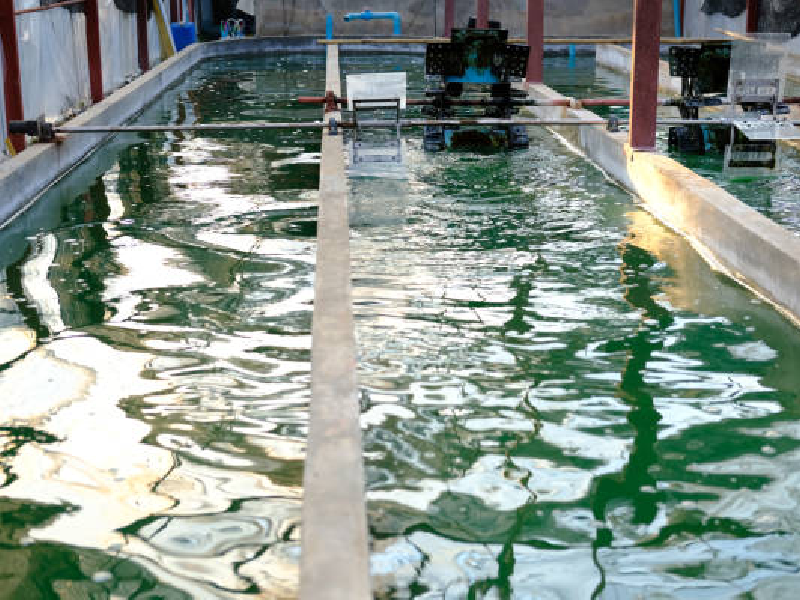
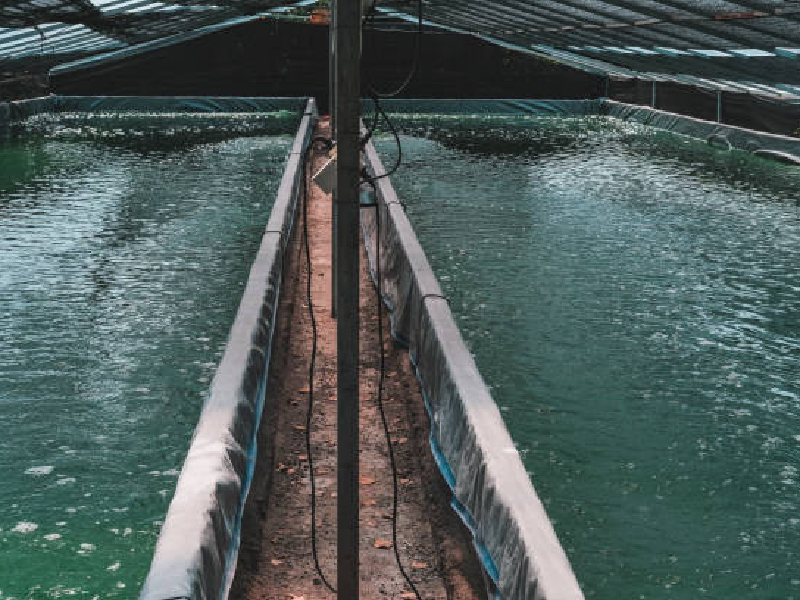
Opt for a setup that maximizes resource utilization and minimizes operational costs. Explore options like greenhouse facilities or outdoor ponds based on your budget and scale. Invest in equipment for water circulation, filtration, and harvesting to streamline farm operations and increase efficiency.
Optimizing Growth Conditions
Creating the right growth environment is paramount for spirulina cultivation. Paying attention to water quality, temperature, and light exposure will optimize growth rates and enhance product quality.
Managing Water Quality And Temperature For Optimal Growth
Maintain strict control over water quality parameters such as pH levels and mineral content. Regularly test and adjust these factors to create an ideal habitat for spirulina. Install temperature control systems or utilize natural heat sources to sustain optimal growth conditions throughout the year.
Utilizing Natural Sunlight And Artificial Lighting Techniques
Spirulina requires adequate light for photosynthesis. Leverage natural sunlight whenever possible, positioning ponds or tanks in sun-exposed areas. In regions with limited sunlight, supplement with artificial lighting using LED or fluorescent lamps to ensure continuous growth and productivity.
Effective Spirulina Cultivation Techniques
Selecting the right cultivation method and implementing effective techniques are pivotal to a successful spirulina farm. Whether opting for open pond systems or closed photobioreactors, each approach has its merits and challenges.
Selecting The Best Cultivation Method: Open Pond Vs. Closed System
- Open Pond Systems: Cost-effective and simple to operate, open ponds utilize natural sunlight but require careful management to prevent contamination and maintain water quality.
- Closed Photobioreactors: These controlled systems offer higher productivity and purity but come with higher setup costs. They provide precise control over environmental conditions, minimizing external contaminants and ensuring consistent spirulina quality.
Implementing Nutrient Supplementation And Harvesting Schedules
Supplement spirulina growth with essential nutrients like nitrogen and phosphorus to enhance productivity. Develop a harvesting schedule to optimize biomass yield while maintaining spirulina's nutritional integrity. Efficient harvesting techniques prevent overgrowth and ensure consistent product quality throughout the cultivation cycle.
Quality Control And Monitoring
Maintaining strict quality control measures is essential to deliver premium spirulina products that meet industry standards. Regular monitoring of environmental parameters and product purity will safeguard against contamination and ensure customer satisfaction.
Establishing Quality Control Measures For Purity And Safety
Implement stringent quality control protocols to monitor spirulina's purity and nutritional content. Conduct regular testing for heavy metals, toxins, and microbial contaminants to uphold product safety and compliance with regulatory standards.
Monitoring Parameters Like pH, Oxygen Levels, And Contamination
Utilize monitoring tools to track crucial parameters such as pH, dissolved oxygen, and microbial counts. Automated sensors and analytics systems provide real-time insights, enabling prompt corrective actions and preventive measures to maintain optimal spirulina cultivation conditions.
Conclusion
Venturing into spirulina farming requires a strategic approach encompassing market analysis, optimal setup, growth optimization, and quality assurance. By leveraging smart strategies and embracing innovation, aspiring spirulina farmers can capitalize on the burgeoning demand for this versatile superfood. With careful planning and continuous improvement, spirulina cultivation holds immense potential for sustainable and profitable agricultural enterprises in the modern market landscape.