
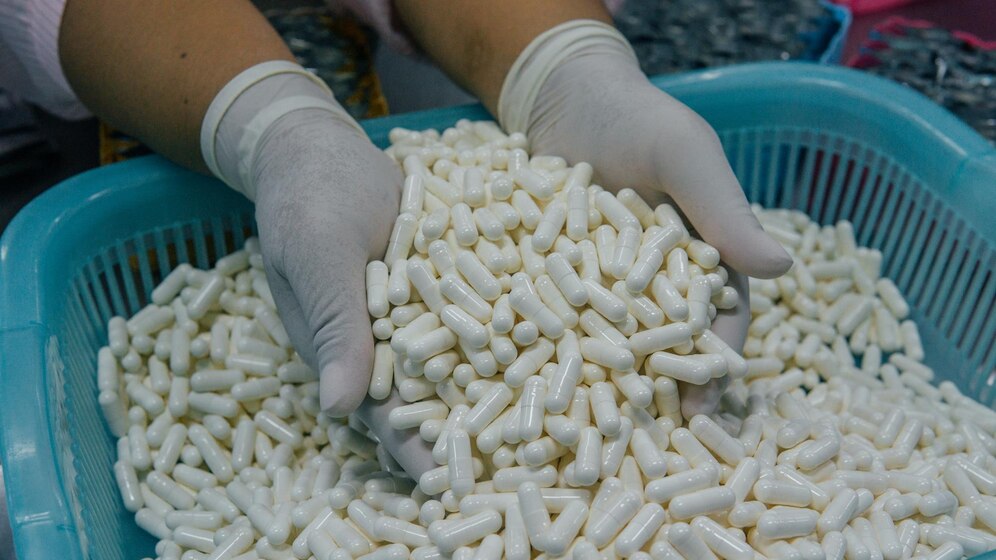
Quality control processes used by supplement manufacturer helps ensure the quality of their products. By understanding these processes, they can improve the quality and safety of their products while reducing the risk of product failures. In this article, we will cover different types of quality control processes used by supplement manufacturers and how they impact the quality of their supplements.
We will start with a quick overview of the QC process for supplements and move on to more detailed descriptions. Finally, we recommend reading other articles that discuss similar topics so that you are familiar with different methods and concepts involved in quality control for supplements.
Examining Quality Control Standards And Measurement Criteria
A supplement manufacturer is a company that makes and sells supplements, typically vitamins or minerals. Supplements are generally used to improve general health and well-being, but can also be used for specific purposes such as weight loss or cancer prevention.
Product testing is the process of ensuring that a product is safe to use and meets customer requirements. This can be done through physical and chemical means, such as by performing safety tests on products before they are released to the public. Product testing can also include third-party certification and inspection.
Data acquisition is the process of acquiring data from sources external to the company in order to make better-informed decisions about products. This can take different forms, such as sampling, interviewing, or purchasing orders. Data retention refers to keeping data collected for a specific period of time in order to provide evidence of product quality or marketing efforts. It refers to ensuring that data is properly communicated between company employees and customers. By understanding these principles, it will be easier for you to ensure that your supplements are meeting customer standards and protecting the environment.

Investigating Raw Material Sources And Suppliers
When it comes to supplements, quality control processes are essential for ensuring that products are safe and effective. To ensure that raw materials used in supplements are of the highest quality, manufacturers should investigate the sources and suppliers of these materials. This can include checking for contaminants, looking for counterfeit products, and analyzing product samples for harmful toxins.
To conduct this investigation, manufacturers should first contact their raw material suppliers and ask them questions about the quality of their products. They should also verify that their supplier is reputable and has a good safety record. Finally, manufacturers should inspect the raw materials themselves to make sure they are meeting all requirements before releasing them into the market.
Testing And Evaluating Supplements Before Production
A quality control process is essential when manufacturing supplements. This process includes testing products before they are produced and then using standardized tests to evaluate their effectiveness. Additionally, manufacturers must also ensure that the substances they produce are safe and effective. Testing and Evaluating Supplements Before Production A quality control process is essential when manufacturing supplements. This process includes testing products before they are produced and then using standardized tests to evaluate their effectiveness. Additionally, manufacturers must also ensure that the substances they produce are safe and effective.
Packaging And Labelling Quality Control
A quality control process is important when manufacturing a product. This process includes ensuring the product is of good quality and that it meets customer expectations. In order to achieve this, manufacturers must follow a number of specific procedures and guidelines.
Packaging and labeling products must be safe and effective for the intended audience. The packaging should be resistant to damage and should be easy to open. Labels must be clear and easy to read, and they should provide information about the product.
Packaging also needs to meet compliance with international regulations. For example, the Food Standards Authority of England (FSA) requires that all supplements contain at least 20% protein by weight. In addition, supplement labels must list the concentration of each nutrient in relation to other nutrients in order to ensure accuracy and clarity.
In order to ensure quality control processes are successful, manufacturers need to have a strong understanding of how they operate.
Verifying Correct Haccp And Gmp Practices
In order to ensure that your HACCP and GMP practices are correct, you should verify them with your local government or food safety authority. This is a good time to also verify your HACCP and GMP practices with your local food safety authority. In order to ensure that your HACCP and GMP practices are correct, you should verify them with your local government or food safety authority. This is a good time to also verify your HACCP and GMP practices with your local food safety authority. There are a number of ways to verify your HACCP and GMP practices. One way is to check with your local government or food safety authority, which can provide you with information on how to do this. Another way is to use online tools.
Conclusion
Quality control standards for supplement manufacturers are important to maintain good quality products. Examining quality control standards and measurement criteria, investigating raw material sources and suppliers, testing and Evaluating Supplements Before Production, packaging, and labeling quality control, verifying correct HACCP and GMP practices, and maintaining good quality products are all necessary steps in ensuring a safe product. By following these steps, you can ensure that your supplements meet the required safety standards.


