
When it comes to the safety and functionality of a neighborhood, proper street lighting is essential. Not only does it provide visibility for pedestrians and drivers, but it also helps deter crime and creates a sense of security. With advances in technology, there are now a variety of street light bulbs to choose from. However, finding the best one for your neighborhood can be overwhelming. In this guide, we will explore the different types of street light bulbs, factors to consider when choosing them, and the impact of color temperature, energy efficiency, maintenance, and environmental considerations. We will also discuss the latest innovations in smart street light bulbs and how they can benefit your neighborhood.
Understanding The Different Types Of Street Light Bulbs
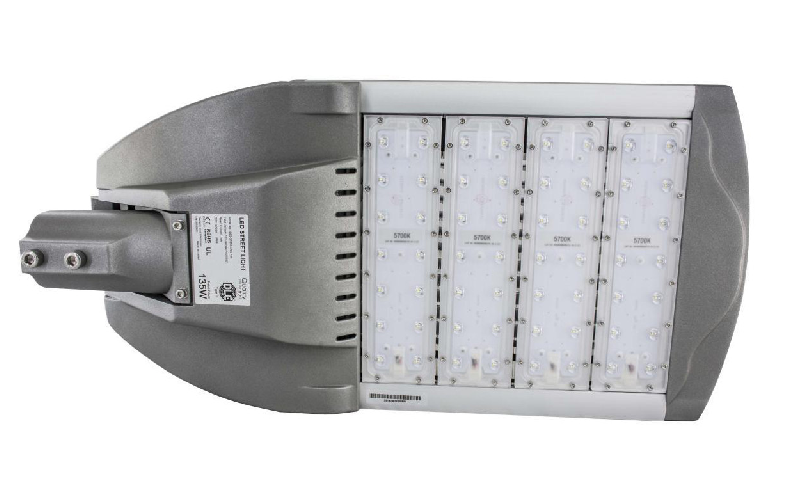
There are several types of street light bulbs available on the market, each with its own unique characteristics. The most commonly used bulbs are High-Pressure Sodium (HPS), Metal Halide (MH), and Light-Emitting Diode (LED). HPS bulbs emit a yellow-orange light and have a long lifespan of up to 24,000 hours. They are also energy efficient, making them an ideal choice for street lighting. MH bulbs emit a bright white light and have a longer lifespan of up to 20,000 hours. They are known for their high color rendering index (CRI), which means they can accurately display colors. LED bulbs, on the other hand, have the longest lifespan of up to 50,000 hours and emit bright white light. They are highly energy-efficient, have a high CRI, and can be dimmed without affecting their lifespan. Additionally, LED bulbs do not contain any mercury, making them a more environmentally friendly option.
Factors To Consider When Choosing Street Light Bulbs
When selecting street light bulbs for your neighborhood, there are several factors to consider. One of the main factors is the size and type of the area that needs to be lit. A larger area would require bulbs with higher wattage and a wider beam angle, while a smaller area could be sufficiently lit with lower wattage bulbs. It is also essential to consider the color temperature of the bulbs, as it affects the visibility and mood of the area. Residential areas may benefit from warm white bulbs, while commercial or industrial areas may require a cooler white light. Other factors to consider include the cost, longevity, and energy efficiency of the bulbs.
Energy Efficiency: A Key Aspect Of Street Lighting Solutions
Energy efficiency is a critical factor to consider when choosing street light bulbs. Traditional HPS and MH bulbs typically have an energy efficiency of around 60-90 lumens per watt. However, LED bulbs have a much higher efficiency of up to 150 lumens per watt. This means that LED bulbs can produce the same or even higher levels of light while using less energy, resulting in significant cost savings. Additionally, LED bulbs have a longer lifespan, reducing the need for frequent replacements. This makes LED bulbs a more cost-effective and environmentally friendly choice for street lighting solutions.
The Impact Of Color Temperature On Street Lighting
Color temperature is an important aspect of street lighting that can greatly affect the functionality and ambiance of a neighborhood. It is measured in Kelvin (K) and refers to the color of light emitted by a bulb. Lower color temperatures produce a warm white light, while higher color temperatures produce a cooler white light. Warmer light is generally associated with a cozy and inviting atmosphere, while cooler light is associated with a more professional and industrial environment. When choosing street light bulbs, it is crucial to consider the purpose and surroundings of the area to determine the most suitable color temperature.
Maintenance And Longevity Of Street Light Bulbs
Proper maintenance of street light bulbs is crucial to ensure their longevity and optimal performance. Traditional bulbs like HPS and MH require regular maintenance to replace burnt-out bulbs, ballasts, and other components. This can be time-consuming and costly for municipalities or homeowners associations responsible for street lighting. LED bulbs, on the other hand, have a much longer lifespan and require less maintenance. They also do not have any parts that need to be replaced, reducing maintenance costs and saving time. This makes them a more convenient and cost-effective option for street lighting.
Environmental Considerations In Street Lighting Technology
In today's society, environmental considerations are becoming increasingly important when choosing any type of technology. Street lighting is no exception. LED bulbs, in particular, are a more environmentally friendly option as they do not contain any mercury, unlike traditional bulbs. They also have a longer lifespan, reducing the number of bulbs that need to be disposed of, and use less energy, therefore reducing their carbon footprint. LED bulbs are also recyclable, making them a more sustainable choice for street lighting.
Innovations In Smart Street Light Bulbs
The latest trend in street lighting technology is the use of smart bulbs. These bulbs are equipped with sensors and are connected to a smart network that allows remote control, monitoring, and adjustments to their settings. They can be programmed to dim or brighten according to natural light levels, saving energy and reducing light pollution. They can also be programmed to flash in an emergency or dim during quieter times, providing a more customized and efficient lighting solution for neighborhoods. Moreover, smart bulbs can collect data on energy usage, traffic patterns, and more, providing valuable insights for city planning and maintenance.
Conclusion
Choosing the best street light bulbs for your neighborhood is a crucial decision that requires careful consideration of various factors. The type, color temperature, energy efficiency, maintenance, and environmental impact all play a significant role in selecting the right bulb. LED bulbs, with their high energy efficiency, longevity, and adaptability to different environments, emerge as the best option for street lighting. Moreover, smart bulbs offer even more advantages, making them a promising technology for the future of street lighting. By understanding these factors and keeping up with the latest innovations, you can find the best street light bulbs for your neighborhood and ensure its safety, functionality, and sustainability for years to come.