
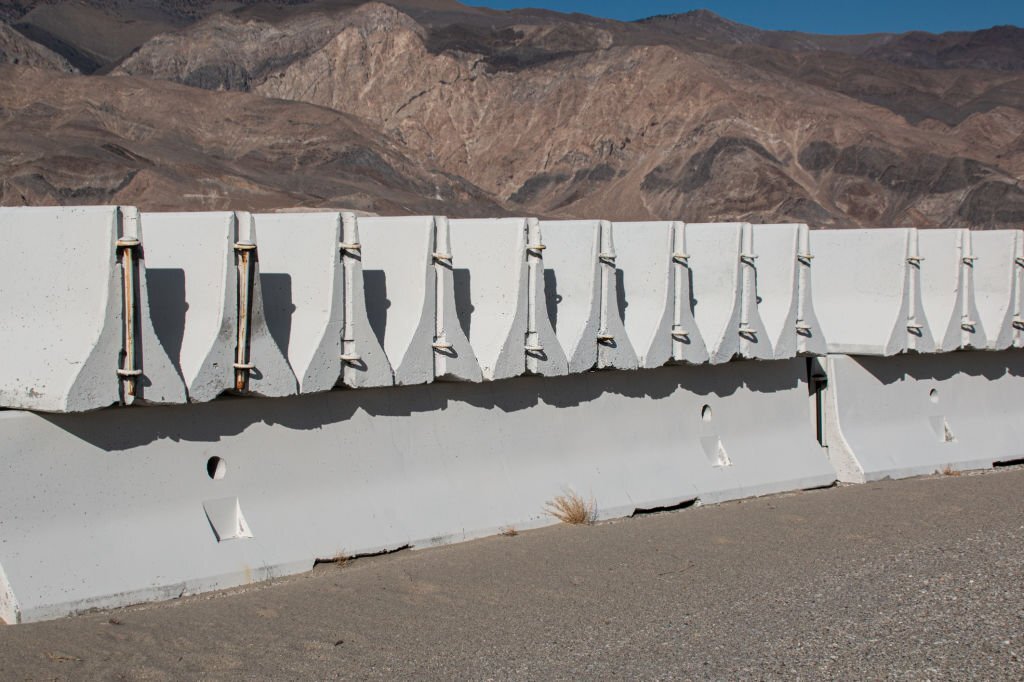
Introduction of Jersey Barrier
This article discusses the benefits and drawbacks of the Jersey barrier. The article provides a background on the way Jersey barrier are typically used, how they may be implemented, and their cost compared to other methods.
What Is a Jersey Barrier?
Jersey barrier are a relatively new safety technology that is being used to reduce collisions between vehicles. Jersey barrier are typically metal poles that are placed in the middle of the road and extend out into the traffic on either side of them. When a vehicle approaches the barrier, it will stop before it hits the pole. This will prevent accidents from occurring, as well as help to reduce the amount of damage that can be done to vehicles.
How Do They Work?
Jersey barrier are a step in the right direction to curb collisions. These barriers are installed in intersections, and they are designed to prevent cars from crossing each other’s paths. By doing this, drivers will be less likely to collide with one another. Jersey barrier have been shown to be effective in preventing collisions, and they have also been proven to be cost-effective.
Why Are They Used?
Jersey barrier are used to prevent vehicles from colliding. These barriers are typically made of metal and are situated in the middle of a road. When a vehicle approaches the barrier, sensors on the barrier detect the vehicle and determine its height. The barrier then opens, allowing the vehicle to pass through, and closes once it has passed.
Types of Barriers
There are a variety of barriers that have been put in place to prevent collisions between vehicles, pedestrians, and bicycles. These barriers can take different forms such as physical dividers or signals. Each type of barrier has its own advantages and disadvantages.
Physical dividers are the most common type of barrier. They are usually made from a solid material, such as concrete, and are designed to keep cars and pedestrians separated. However, physical dividers can be difficult to construct and may not be effective in all situations.
Signals are another type of barrier that is often used in intersections. They consist of lights or signs that indicate to drivers when they should stop for pedestrians or bicyclists. Signals can be effective in preventing collisions, but they can also be confusing for drivers.
Another type of barrier that is often used is the buffer zone. This zone is located between the sidewalk and the street and is typically marked with painted lines. Vehicles must stay within the buffer zone while driving around pedestrians and bicyclists. This type of barrier is sometimes called a “walking refuge” because it provides a safe space for people who are walking or riding their bikes.
Safety and Environmental Concerns with Jersey Barrier
Jersey barrier have been touted as a way to reduce collisions between vehicles and pedestrians, but some safety and environmental concerns have arisen.
One concern is that the barriers may create more hazards for cyclists and other pedestrians who are not in vehicles. Cyclists and pedestrians often use the same paths and crosswalks, so the barriers could cause them to get stranded or risk getting hit by a car.
Another concern is that the barriers may block views of oncoming traffic. This can make it difficult for drivers to see pedestrians and cyclists, which could lead to accidents.
https://youtu.be/CFoqYO6_g9c
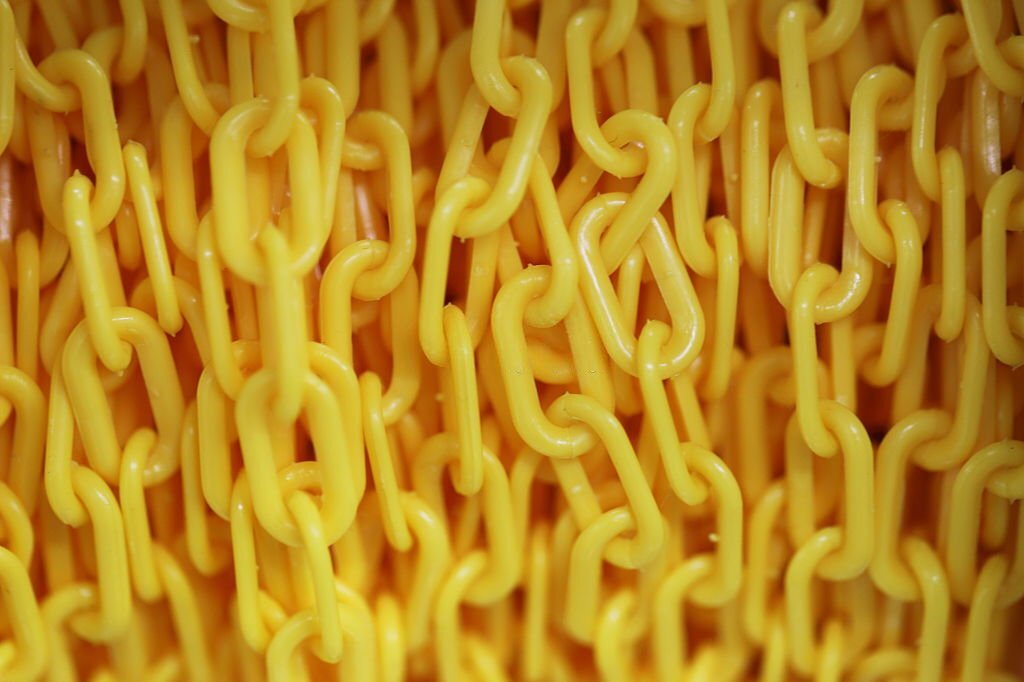
Overall, plastic chain seem like a good idea but there are some safety and environmental concerns that need to be addressed before they can be widely adopted.
Conclusion
Collisions between cars and bicyclists are becoming more and more common, as ridership on bicycles continues to grow. One solution that has been suggested is to install a Jersey barrier between the cars and bikes, which would protect both parties involved in a collision. While this idea may seem like it would be a difficult undertaking, recent advances in technology have made installing the Jersey barrier much easier than ever before. If you're interested in giving this safety measure a try, be sure to do your research first so that you can make an informed decision as to whether or not the Jersey barrier is the right option for your situation.