
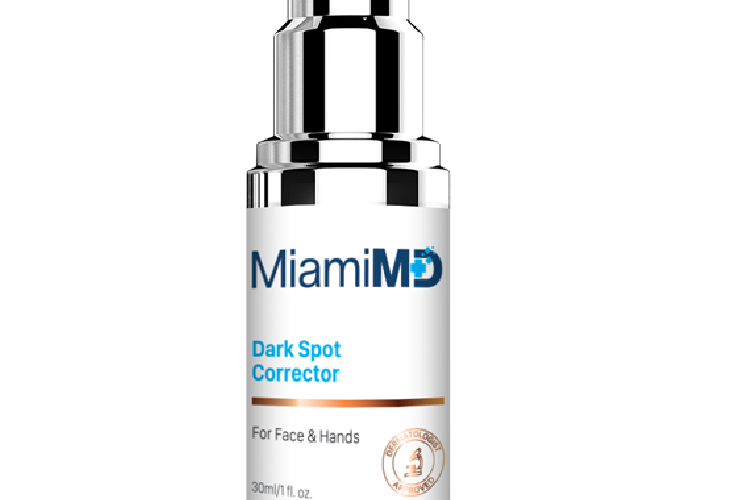
Reading the labels of dark spot corrector for face is an important task that should not be overlooked or taken lightly. Not only do these labels contain important information about the product, but they can also help you decide if it is suitable for your skin type or other needs. By better understanding how to read them, you can make sure to get the most out of your product and make the most informed decision possible. In this article, we will discuss how to read the labels of dark spot correctors for the face and what you should be looking for when shopping for these products.
What Ingredients Should I Look for in Dark Spot Correctors for Face?
When shopping for a dark spot corrector for face, the most important ingredients to look for are physical exfoliants, vitamin C, hydroquinone, retinol, and various acids. Physical exfoliants work to get rid of dead skin cells that can be clogging pores and cause further hyperpigmentation. Doing this can help to lighten and brighten skin while evening out skin tone.
Vitamin C is an antioxidant that helps to reduce skin inflammation, which can be a source of dark spot formation. Hydroquinone has long been a popular active ingredient for lightening dark spots due to its ability to slow or stop melanin production. Retinol is a form of vitamin A that helps to improve skin texture and reduce the appearance of dark spots. Lastly, various acids like lactic acid, glycolic acid, and salicylic acid can help by exfoliating the skin to get rid of dead skin cells as well as stimulating collagen production.
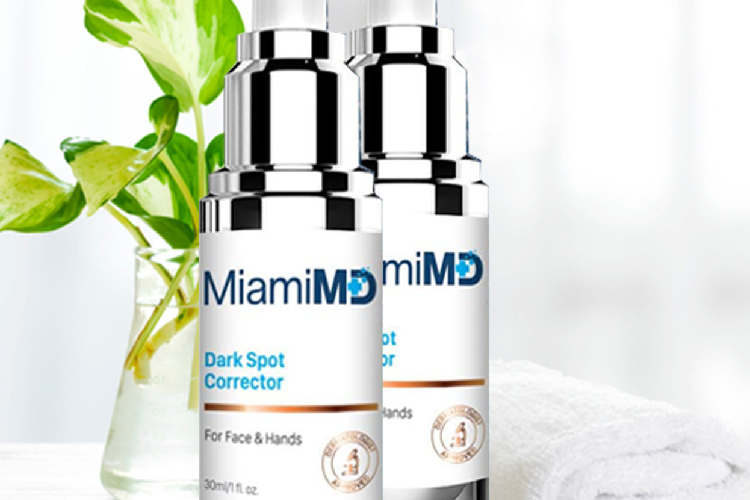
How Can I Ensure I'm Buying Quality Products?
To ensure that you are buying quality products, look for products that are transparent about their ingredients list and have trusted board certified dermatologists who are willing to discuss their product ingredients. Quality dark spot correctors should not contain harsh synthetic chemicals, fragrances, or dyes. Furthermore, make sure to check for reviews from both customers and board certified dermatologists to make sure that the product is worth investing in. Lastly, look for products that offer money back guarantees so that you can test the product and make sure that it is working for you. Vitamin C reduces inflammation and helps to even skin tone. Retinol helps to improve texture and reduce the appearance of dark spots. Hydroquinone has been a popular ingredient due to its ability to slow or stop melanin production. Other acids like lactic acid, glycolic acid, and salicylic acid can also help exfoliate the skin and reduce pigmentation.
What Kind Of Results Can I Expect by Using Dark Spot Correctors?
Although dark spot corrector for face may not be able to eliminate dark spots, they can help fade them significantly. Over time, with consistent use of quality dark spot correctors, it is possible to lighten the appearance of dark spots on the skin. However, results may vary depending on the individual and the type of dark spot being corrected. In general, it is important to be patient, as dark spot correctors may take a few weeks or months to show results. Yes, sun protection is an essential part of any dark spot corrector routine. Sun exposure can worsen the appearance of dark spots and make them appear darker and more prominent. Therefore, it is important to use broad spectrum sunscreen daily when using dark spot correctors. The sunscreen should have a high SPF rating of 30 or higher.
Are Natural or Organic Ingredients Required for Dark Spot Correctors?
Natural or organic ingredients are not necessary for dark spot correctors. However, some people may prefer products that are made with natural or organic ingredients due to potential sensitivities or allergies. In this case, it is important to check the ingredients list to make sure that the product is free from synthetic fragrances, dyes, and other known irritants. Although dark spot correctors are generally considered safe, there can still be potential side effects. The most common side effects of dark spot correctors are skin irritation, redness, and dryness. This is especially true for those with sensitive skin. It is important to use only a small amount of product to ensure that the skin can tolerate it. If any type of irritation develops, stop using the product and consult a dermatologist.
Should I Seek Dermatological Advice Before Buying Dark Spot Correctors?
It is always recommended to seek advice from a board certified dermatologist before buying any product for dark spot correction. A dermatologist can assess your skin type and condition to determine the best product for your skin, as well as guide proper use and potential side effects. Furthermore, a dermatologist can provide specialized treatments which are not available in over the counter products. However, it is important to be careful when applying dark spot correctors as they can be irritating if used too liberally. If there is any irritation or redness, discontinue using the product and consult a dermatologist.
Conclusion
Reading the labels of dark spot corrector for face is important for optimal results and safety. It is important to look at the ingredients listed, read user reviews, check the expiration date, and search for a dermatologically-tested formula. Making sure you use a product that’s appropriate for your skin type and won’t cause an allergic reaction can save you time and money. Taking the time to look into the product can help you find the perfect dark spot corrector for your needs.


